
Maine Fly Fish
Rick Hilliard
https://www.weirdwaterfishing.com
Summertime in central Florida can be a challenging season for shallow water sight fishing. As extremely high temperatures become the norm, redfish begin to act lethargic and lazy. Regular afternoon showers increase mineral deposits, kill sea grass, and ruin water clarity. And, of course, there are hurricanes — those cantankerous sea witches that grace us with their presence more and more frequently each year. With hurricanes comes high water. While all of these elements make sight fishing difficult, none is more pervasive than high water. Extremely high water, mixed with poor clarity, makes sight fishing nearly impossible.
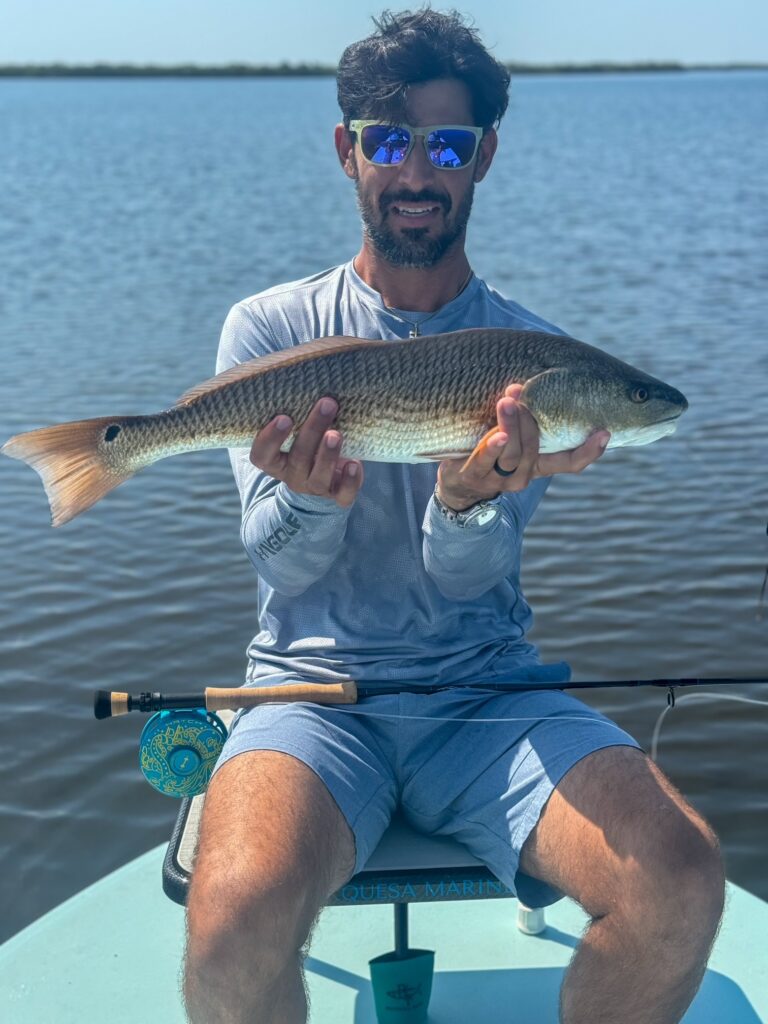
For those unfamiliar with the challenge of saltwater sight fishing, here’s the skinny: Sight fishing is more hunting than fishing, and it’s a tribal hunt. The tribe consists of the angler, the guide, and the occasional “dead weight” sack of potatoes — a third person lounging on the skiff, making it heavier, but occasionally spotting fish and clearing fly line. The guide stands on a platform over the transom of the skiff, spotting fish and quietly pushing the tribe through the water with a long carbon fiber spear. Meanwhile, the angler works to see what the guide sees, make appropriate casts, and wiggle the fly in a way that entices a redfish to eat. All of this is done in less than a foot of water — usually closer to eight inches.
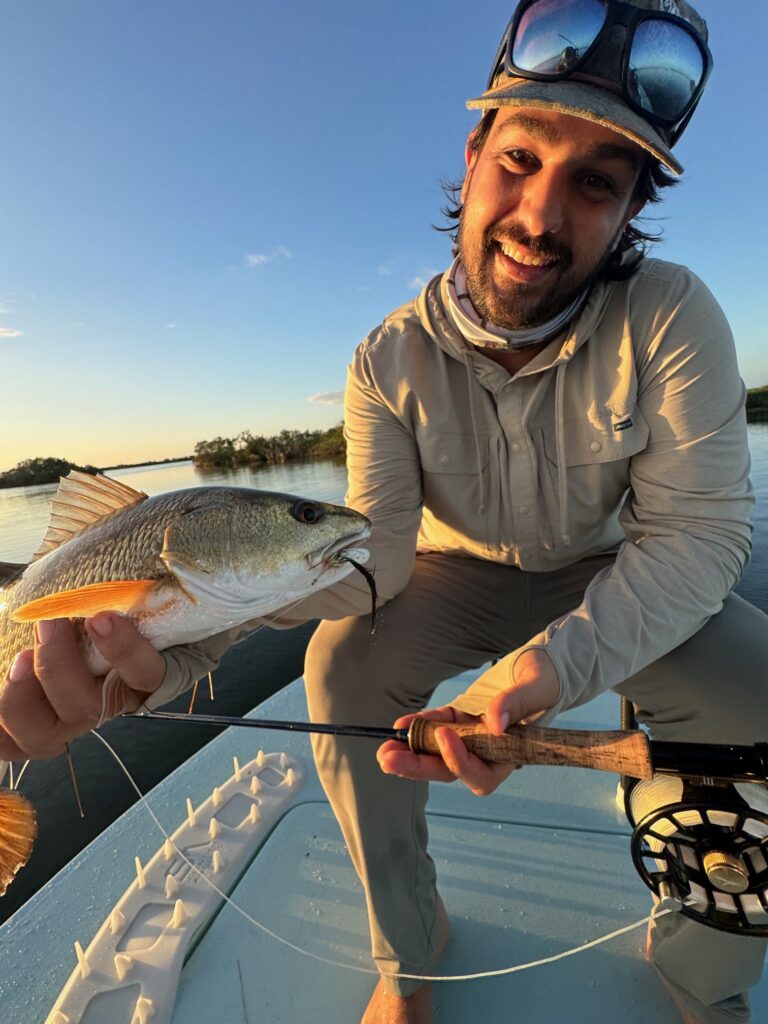
This lack of depth helps anglers see the fish in several ways. Fish will sometimes “tail,” putting their heads down to eat crustaceans, causing their tails to break the water’s surface and wiggle back and forth to stay in place. Other fish will simply be too big for the amount of water they occupy, with their tails, dorsal fins, and sometimes even their eyes protruding from the water as they swim — we call these crawlers. Sometimes, fish are visible because they’re bright orange in clear water or they push a head wake that’s unmistakable to a trained eye. Is your heart racing yet? Mine is, and I see these things every day.
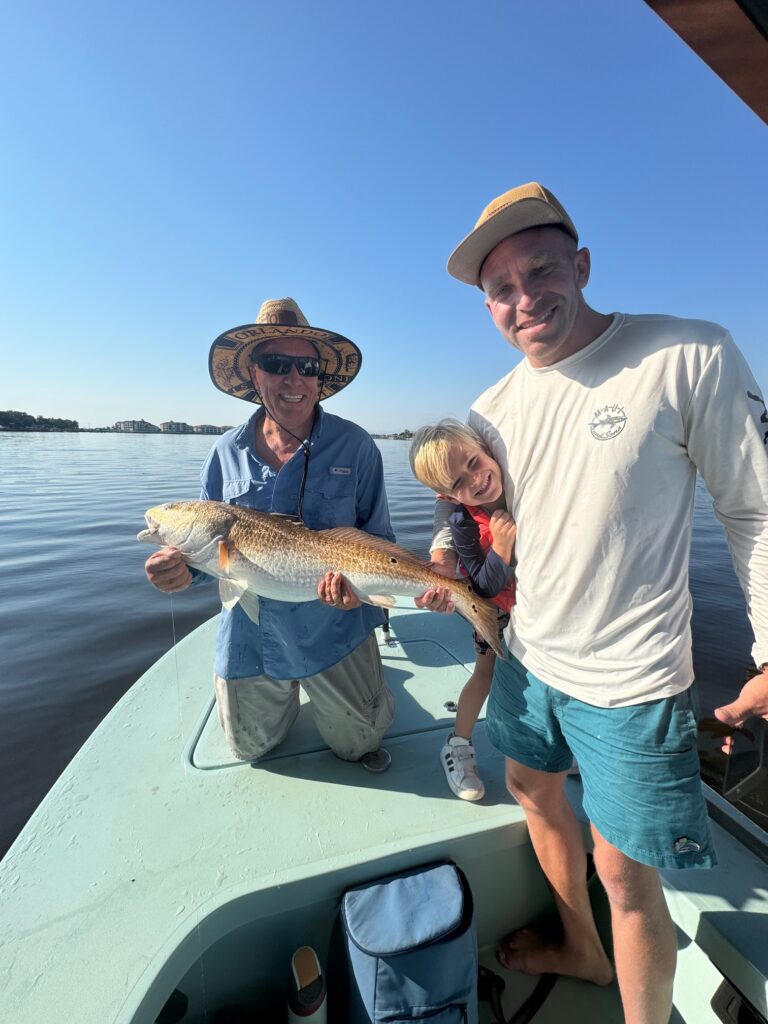
Recently, we had back-to-back hurricanes: Milton and Helene. Both storms created the conditions outlined above, making my job extremely difficult during the late summer months. I am a full-time fly and light tackle fishing guide in Mosquito Lagoon, and my primary method of fishing is sight fishing. After a few frustrating trips of blind casting shorelines for trout and the occasional redfish, I had to switch things up a bit.
On the spin side, I began taking clients to bridges, inlets, and other deeper structures for big snook and redfish. This method proved successful, and we boated several very large fish over 40 inches. But you can only sit under a bridge drowning mullet for so long, and you certainly can’t fish the bridges with a fly rod. So, I started searching out areas in the way, way back — places I normally wouldn’t be able to access with my skiff under normal water depths.
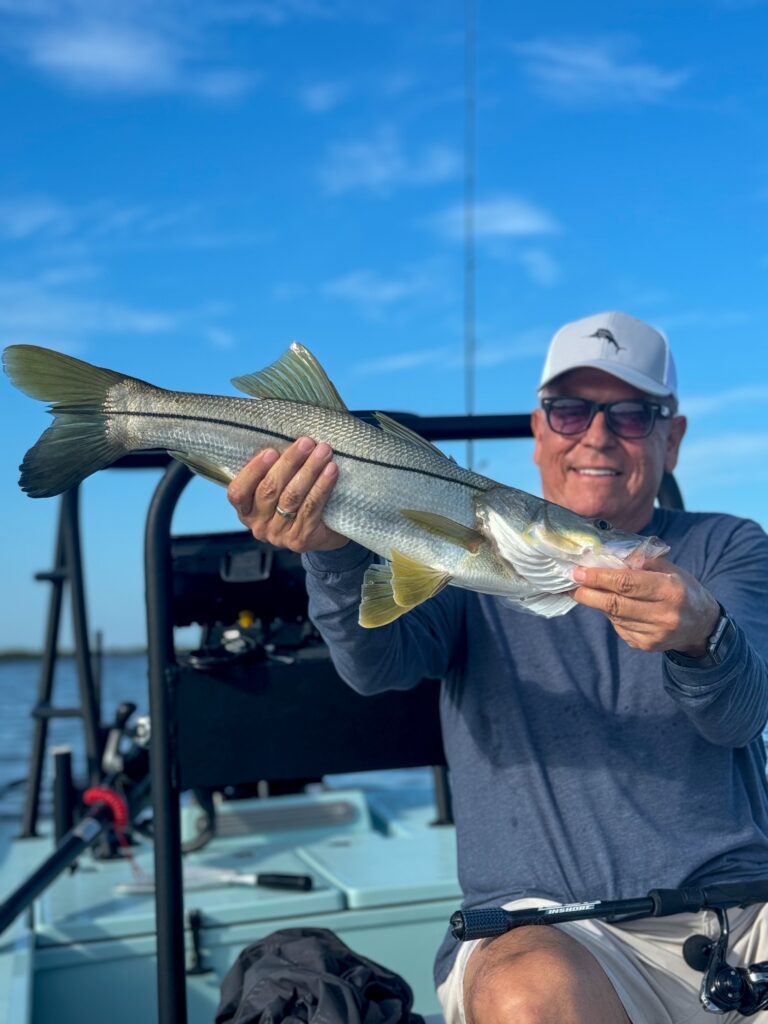
I discovered a few cool options. First, I found a culvert that releases water from ponds and retention ditches after heavy rain. As water flows out, snook and other predator fish sit in the current, waiting to ambush shrimp and baitfish. While it’s not technically sight fishing, wrangling a large snook out of a small area on fly will still get your blood pumping. I also started targeting big sea trout on fly, a species I typically focus on more with a spin rod. Using topwater, my favorite method of attack, I had clients throw big gurglers and popper flies. Seeing the yellow mouth and sharp teeth of a big “gator trout” come up to silence that cocky little topwater fly has become one of my favorite moments to share with clients on my skiff.
With all that being said, I’m glad it’s winter. As a kid growing up in Florida, I hated winter. With citrus running through my veins, I couldn’t stand the cold. Winter meant wearing a wetsuit to surf, wearing shoes, and going back to school. But now, as a full-time fishing guide and part-time adult, I eagerly await the break from the heat like a kid counting down the days to Christmas.
And it’s finally here! We’re back to the time of year when the lords of the fly smile upon us. Water levels are crazy low (I ran aground for the first time in ages last week — oops), clarity is pristine (you can see straight to the bottom in four feet of water), and the fish are starting to school up and wave their pretty blue tails in the air. The temperature is brisk in the morning but perfect as the sun rises, making a long day on the water a joy rather than a grind. Colder weather also keeps the jet ski bums and pleasure boaters off the water.
If you’ve never experienced the excitement, heartbreak, frustration, and ecstasy of presenting a fly to a tailing redfish in Mosquito Lagoon, I invite you to come visit. Located just outside of New Smyrna Beach — one of the last great surf towns on the East Coast — Mosquito Lagoon is one of the most unique fisheries in all of central Florida. But as a guide who wants success for all of my clients, I’ll offer this advice: Make sure you practice your double haul in the yard before you come.