
Maine Fly Fish
As a child growing up I always dreamt about discovering a pond or stream that no one had ever fished. I imagined hiking and accidentally happening upon the fisherman’s dream of utter wilderness, sunshine, remoteness and fish… lots of it. I imagined an endless day of fishing complete without interruption from other fishermen or passers by and with the sites and smells of all that is nature. In time, unfortunately I realized that was a very unlikely dream.
Luckily I have learned there are however ponds and streams remote enough to tickle the fancy of the more extreme fishermen and women. Places you hike into, where you take the chance of getting lost and love it! If you grab a Maine gazetteer, you will be able to find some of those remote ponds. This will get you away from the crowds and offer some incredible fishing. I could list a hand full of ponds that hold trophy fish but that would take the thrill out of the pursuit .
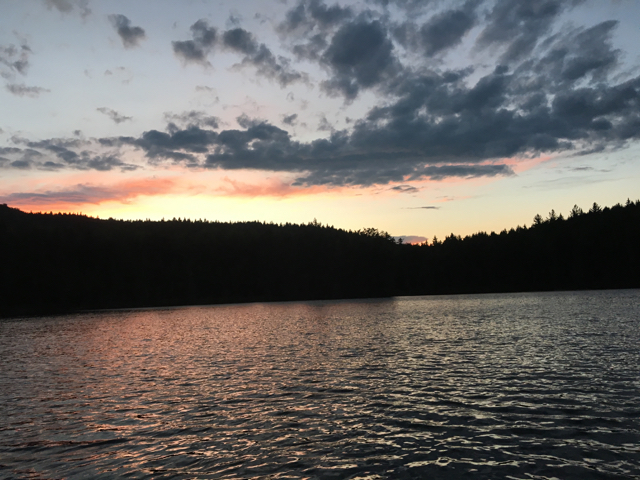
What I will tell you are some ways to organize yourself for those over night trips. Many years ago my Dad, a buddy and I grabbed our rods and backpacks and headed into a pond we heard about. Our packs weighed over 65 pounds and we almost collapsed the first 15 minutes into the trip. Somehow we did make it in eventually and caught some nice fish. We didn’t see another person and even though we did make it out, I decided right then and there to make a list of what we needed and what we could discard. The next trip I managed to travel with a pack weighing in at only 45 pounds, which was perfect for a 2 night stay.
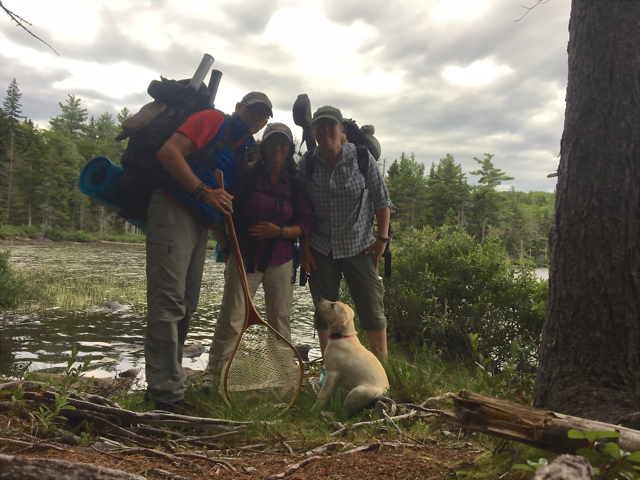
Here is a list of recommended items that will lighten your load and not your wallet:
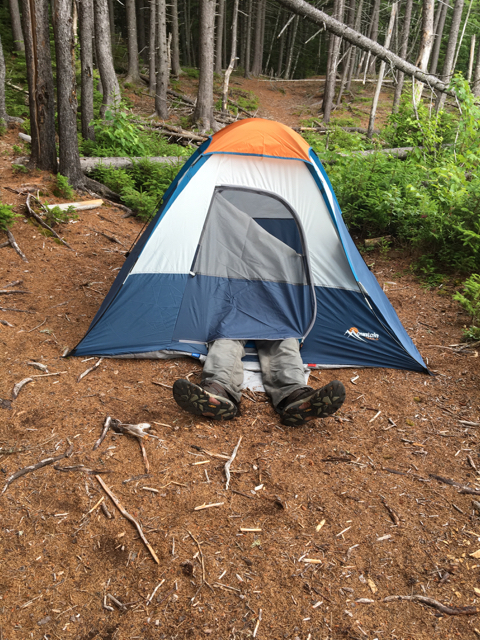
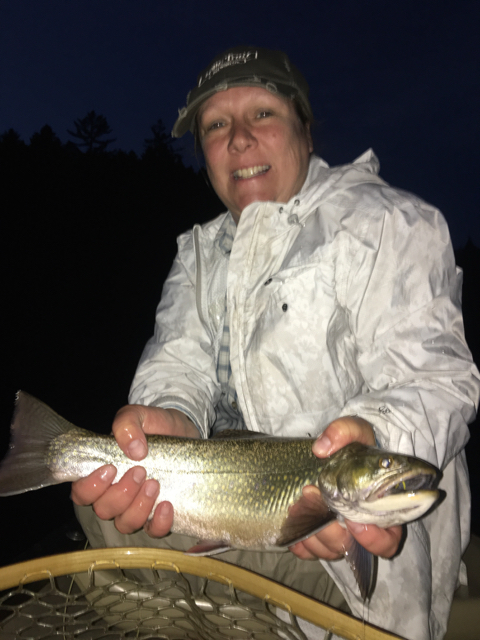
The week before I make a list of everything I need and check it off as I pack my back pack. I weigh it and make adjustments until I get my desired weight. Some of my most memorable trips are from remote ponds. I have caught my biggest fish, 5.5 lb brook trout and have spent the day with moose within casting distance. If you haven’t done it, try it. And once you find that pond, fish it several times because that is what it will take for you to get to know the pond and catch your trophy fish. Therein lies the dream.
Kevin McKay
